
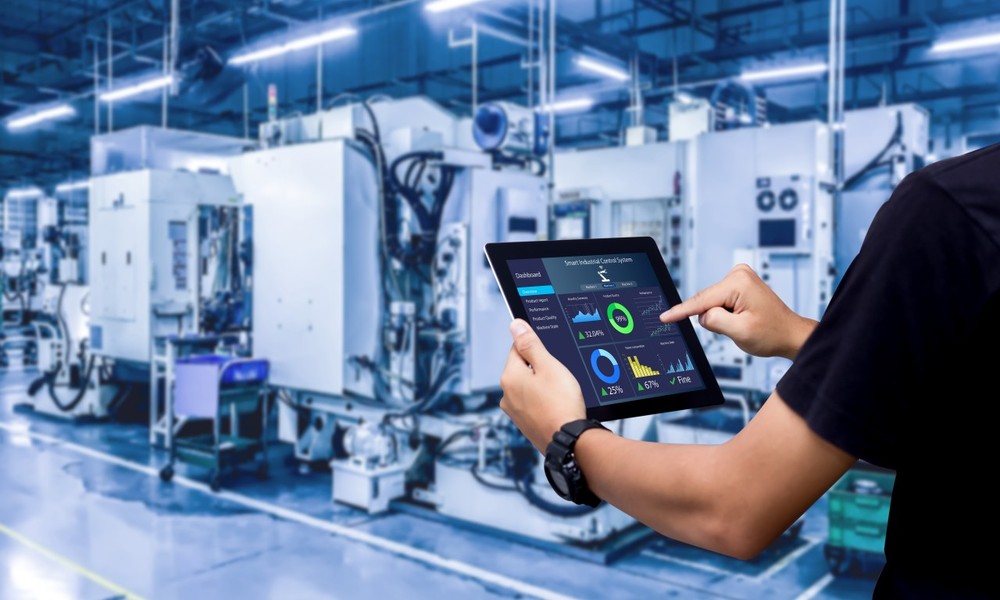
Effective factory management requires tracking key performance indicators that reflect both operational efficiency and energy use. Identifying the right metrics allows warehouse managers to make informed decisions, reduce waste, and maintain consistent production standards without relying on guesswork.
Equipment Performance Metrics
Monitoring equipment is central to understanding factory efficiency. Metrics such as uptime, cycle time, and operational load provide insight into whether machines are performing optimally. Sensors can track vibrations, temperatures, and output quality, enabling proactive adjustments before minor issues escalate into major downtime.
Load centers play a critical role in managing electrical distribution to equipment. Monitoring load center data helps managers detect imbalances, overloading, or potential faults that could disrupt operations. Integrating these metrics with performance dashboards ensures that electrical and operational performance are aligned.
Energy Consumption
Energy use is one of the largest controllable costs in a warehouse or factory. Tracking real-time electricity consumption, peak demand periods, and usage by equipment or zones allows managers to identify inefficiencies. Combining energy data with operational metrics enables more precise decisions about when to run equipment and how to optimize schedules.
Automated monitoring systems can integrate with load centers to provide detailed insight into power distribution, helping prevent overloading and reduce waste.
Production Throughput
Throughput metrics show how effectively a facility transforms raw materials into finished goods. Monitoring units produced per hour, cycle times, and bottleneck locations allows managers to pinpoint inefficiencies and improve overall productivity. Data can be collected automatically from machinery and sensors, providing accurate real-time insights.
Quality Indicators
Maintaining product quality is essential. Tracking defect rates, rework frequency, and compliance with specifications provides early warning of potential problems. Automated inspection systems and sensors can detect deviations, allowing immediate corrective action without affecting overall throughput.
Equipment Utilization
Understanding how equipment is used helps identify under- or over-utilized machines. Utilization rates can inform maintenance schedules, equipment deployment, and process adjustments. Linking utilization data with load center information provides a complete view of electrical and operational efficiency.
Downtime Tracking
Not all downtime is created equal. Tracking both planned and unplanned downtime helps managers understand causes and implement targeted solutions. Integration with predictive maintenance systems allows early detection of potential failures, minimizing unexpected production halts.
Environmental Conditions
Temperature, humidity, and ventilation can impact both equipment and product quality. Sensors that monitor these conditions ensure that environmental factors remain within optimal ranges. Automated systems can adjust HVAC settings or alert staff to deviations, supporting consistent operations.
Safety Metrics
Safety is a critical consideration in any facility. Monitoring incidents, near misses, and compliance with safety protocols helps maintain a secure environment. Automated monitoring and reporting tools provide real-time visibility into safety performance.
Data Integration and Dashboards
Centralized dashboards that combine equipment, energy, production, and safety data provide actionable insights. Managers can visualize trends, detect anomalies, and make data-driven decisions quickly. Integrating load center and energy data ensures a complete understanding of how electrical performance affects operations.
Continuous Improvement
Monitoring key indicators is not a one-time task. Regular analysis of trends and deviations supports ongoing optimization. Managers can adjust processes, implement automation, and refine maintenance schedules to enhance efficiency and reduce costs.
Achieving Smarter Factory Management
By tracking equipment performance, energy consumption, throughput, quality, utilization, downtime, environmental conditions, and safety metrics, warehouse managers gain the insights needed to make informed operational decisions. Integrating load center monitoring and automated data collection ensures that electrical and production performance are aligned, supporting smarter, more efficient, and reliable factory management.