
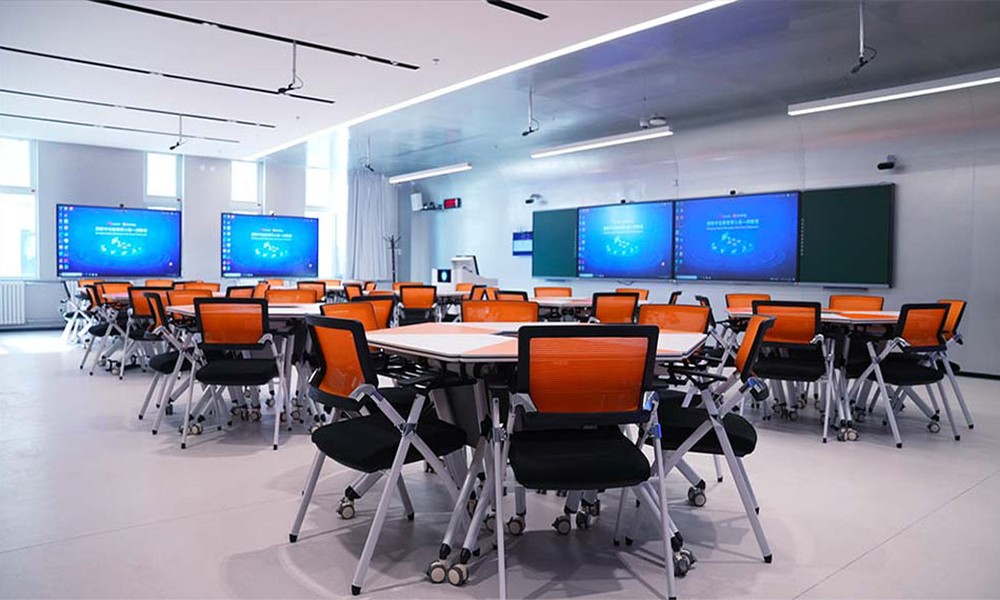
Classroom visual display infrastructure, including traditional chalkboards, whiteboards, and interactive display surfaces, remains a central component of instructional delivery in K-12 and higher education settings despite the proliferation of digital display technologies. The quality and accessibility of these surfaces affects both instructor effectiveness and student engagement.
Educational research on instructional media effectiveness consistently finds that physical whiteboard use by instructors improves student attention and comprehension compared to presentation software delivery alone, particularly for content that benefits from real-time annotation, problem-solving sequences, and student-generated responses.
What Display Surface Requirements Differ Between Grade Levels
Elementary classrooms benefit from lower mounting heights and brighter display colors that accommodate the age and visual development of younger students. Secondary and higher education classrooms increasingly require display surfaces compatible with both traditional writing and projected digital content, given the hybrid instructional approaches common in modern educational practice.
Laboratory and STEM classroom environments present special requirements because chemical and material exposure from laboratory activities creates surface contamination risk. Display surfaces in these environments must be resistant to the cleaning agents used for laboratory surface decontamination.
How Magnetic Whiteboards Support Elementary Instructional Methods
Elementary classroom instructional methods including letter and number display using magnetic characters, sorting activities using magnetic pieces, and reference chart posting using magnetic clips are all supported by magnetic whiteboard surfaces. Specifying visual display solutions for offices that extend their product range to educational applications provides institutional purchasers with a consistent source for both office and educational display products with coordinated frame systems and finish options.
What Durability Requirements Apply to High-Turnover Educational Environments
Classroom display surfaces experience intensive daily use across academic years and must maintain visual quality through repeated cleaning cycles using institutional-grade cleaning products. Porcelain steel surfaces consistently outperform melamine alternatives in multi-year educational service, with documented service lives 3 to 4 times longer than melamine boards under comparable usage conditions.
How Display Systems Support Universal Design for Learning
Universal Design for Learning (UDL) principles emphasize providing multiple means of representation, expression, and engagement to support diverse learner needs. Physical whiteboard surfaces that allow real-time visual annotation, concurrent display of multiple information types, and student access for participation support UDL implementation in ways that single-screen digital displays may not.
Educational classroom display surface specification requires attention to age-appropriate dimensions, durability under intensive institutional use, compatibility with evolving instructional technology, and material safety in environments with diverse and vulnerable student populations. Products that meet these requirements reliably over the full service life of a facility provide substantially better educational value than commodity alternatives that require replacement within the first years of service.