
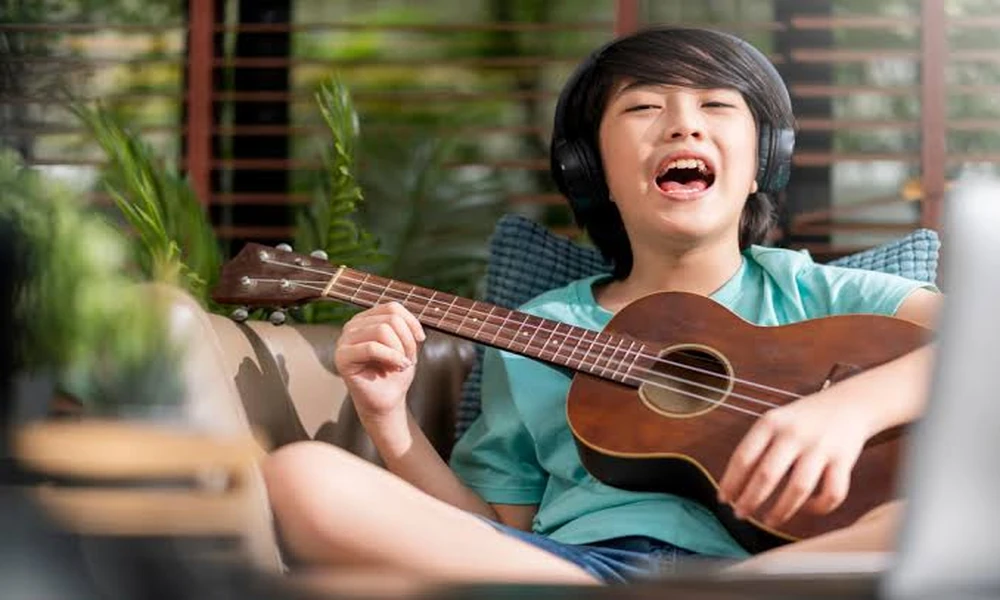
The ukulele has a reputation as the easy instrument, and there is truth in it. Four nylon strings, low tension, small body, and a first song within a single session. What the reputation obscures is that the ukulele rewards proper teaching as much as any other instrument, and that the gap between strumming three chords and actually playing well is wider than most beginners expect. Good ukulele lessons singapore schools offer take students across that gap deliberately.
Why It Suits Beginners and Children
Nylon strings are gentle on fingertips, which matters enormously for a seven year old whose enthusiasm will not survive sore fingers. The neck is short enough for small hands to form chords without stretching, and several usable chords require only one or two fingers. That means a child can play a recognisable song in the first week, and early success is the strongest predictor of whether anyone continues with an instrument. It is also light, portable and considerably quieter than a guitar in a flat.
Choosing the Right Size and Type
Soprano is the smallest and most traditional, with the bright sound most people associate with the instrument, and it suits young children. Concert size is slightly larger with more spacing between frets, which many adults find more comfortable. Tenor is larger still and popular with finger style players. Baritone is tuned differently and behaves more like a guitar, so it is a poor first choice for someone joining a class. For a child under ten, soprano or concert is the sensible default.
What to Look For in an Instrument
A very cheap ukulele is often unplayable rather than merely basic. Check that the strings sit low enough above the fretboard to press without effort, that the instrument holds tune for more than ten minutes, and that geared tuners are fitted rather than friction pegs, which slip constantly and drive beginners to distraction. Laminate bodies are perfectly adequate to start. Spend the difference on a set of decent strings, which transform an inexpensive instrument more than anything else you can buy.
What the First Lessons Should Cover
Expect holding position, tuning, one-finger and two-finger chords, and a basic down-strum in time. Within a few weeks that expands to C, F, Am and G7, which unlock a very large number of songs, plus a strumming pattern with an upstroke. The important early skill is changing chords cleanly without stopping the strum, and this is where beginners struggle. A teacher who drills the change rather than the chord is teaching the thing that actually holds people back.
Group Classes Work Especially Well
The ukulele is a social instrument and group teaching suits it. Everyone plays the same chords at the same time, mistakes are invisible in the group sound, and singing along comes naturally. For children this removes the pressure of individual performance and builds rhythm through the simple experience of keeping up. Schools offering ukulele classes for kids often run them in small groups for exactly this reason. Private lessons make more sense later, once a student wants fingerpicking or more advanced repertoire.
Singing While You Play
The ukulele is an accompaniment instrument more than a solo one, and most of its repertoire assumes a voice on top. Doing both at once is genuinely hard at first, because the strumming hand has to run on autopilot while attention goes to the melody. The route through is to make the strum automatic before adding words, then to speak the lyrics in rhythm rather than singing them, then to sing. Teachers who introduce this early produce students who can lead a song at a gathering, which for most learners is the entire point of the instrument.
Beyond Strumming
Students who continue past the first six months usually move into fingerpicking patterns, chord melody where the tune and the accompaniment are played together, barre chords that open up keys beyond the easy ones, and basic music theory that explains why certain chords sound right together. This is where the instrument stops being a novelty. A ukulele played well is a genuinely expressive instrument, and the path there is no shorter than on any other, just more pleasant at the start.
Practice That Actually Works
Ten minutes daily is the right target. Keep the instrument out on a stand rather than in a case, because the friction of unzipping a bag is enough to stop a child from picking it up. Tune before every session; an out-of-tune ukulele teaches the ear the wrong things and clip-on tuners cost very little. Practise chord changes away from songs, counting slowly, then apply them. Playing along with a recording is useful once the changes are reliable and counterproductive before that.
Judging a Class Before You Commit
Sit in on a trial. Watch whether the students are playing or listening to explanations, whether the teacher checks individual hands rather than addressing the room, and whether children leave with a specific thing to work on. Ask what happens after the beginner term, because a school with no clear next step tends to produce students who stall at three chords. A well-structured ukulele lessons singapore programme should have somewhere for a student to go once the easy wins run out.